
Learning how to start a nonprofit in Philadelphia means working through one sequence: board, bylaws, state incorporation, federal tax exemption and, if you plan to ask the public for money, charitable solicitation registration. The order matters because later filings reuse what you decided earlier.
Quick answer: Settle your purpose and your board, write bylaws, incorporate with the Pennsylvania Department of State, then pursue IRS tax-exempt recognition. Register with the Bureau of Corporations and Charitable Organizations before you solicit donations, and apply for Pennsylvania sales tax-exempt status as a separate step.
Founders who would rather learn the sector from the inside first can browse nonprofit jobs in philadelphia before committing to a new organization.
Before you file: define the work and the founding group
The greater Philadelphia metro area already lists 45,003 organizations in the CauseIQ directory, which is a secondary directory rather than an official count. In a field that crowded, the first task is deciding what your organization will do that existing groups do not, and who will carry that work with you.
Write a short purpose statement describing the activities you expect to run and the people they serve. You will reuse that language in your bylaws, your state filing and your federal application, so settling it first keeps those documents consistent with each other.
If you are not yet sure founding is the right move, entry level nonprofit jobs philadelphia offer a way to see how established organizations run before you build one.
Form the board and write bylaws
Board selection and bylaws come early in the order of steps. The Lancaster Public Library nonprofit start toolkit lists selecting your board of directors, hiring nonprofit professionals and writing your bylaws as startup steps. It is a secondary guide, so use its order as a practical checklist and confirm the actual requirements with the state and federal agencies.
Choose the board first
Yes, plan to have a board in place before you apply for anything. The toolkit puts board selection ahead of bylaws, and the bylaws then describe how that board will operate. Choose people who believe in the purpose and will attend decisions, not only lend a name. Write down each person’s role so that the board details you later rely on match the people who actually run the organization.

Write the bylaws
Bylaws are the internal rulebook the board adopts. Draft them after the board is identified, so the people who must follow the rules help shape them. Before moving on, check that the purpose statement and the bylaws describe the same mission in the same terms.

Bring in professionals
The toolkit lists hiring nonprofit professionals as its own step, separate from choosing the board and writing bylaws. Decide early whether your group has the experience to handle governing documents and tax filings on its own. If it does not, budget for outside help before filing rather than after a problem appears. Our guide to nonprofit consulting philadelphia covers the advisory side of the sector.

Incorporate with the Pennsylvania Department of State
State incorporation creates the legal entity. In Pennsylvania, the Department of State is the agency you deal with for this step. Have your bylaws and board details ready before you start, so the filing reflects the governance your founders have actually agreed to.
Look up the current filing fee on the Department’s own pages on the day you file. A figure copied from an older article may no longer apply, and the state’s current forms are the reference that matters.
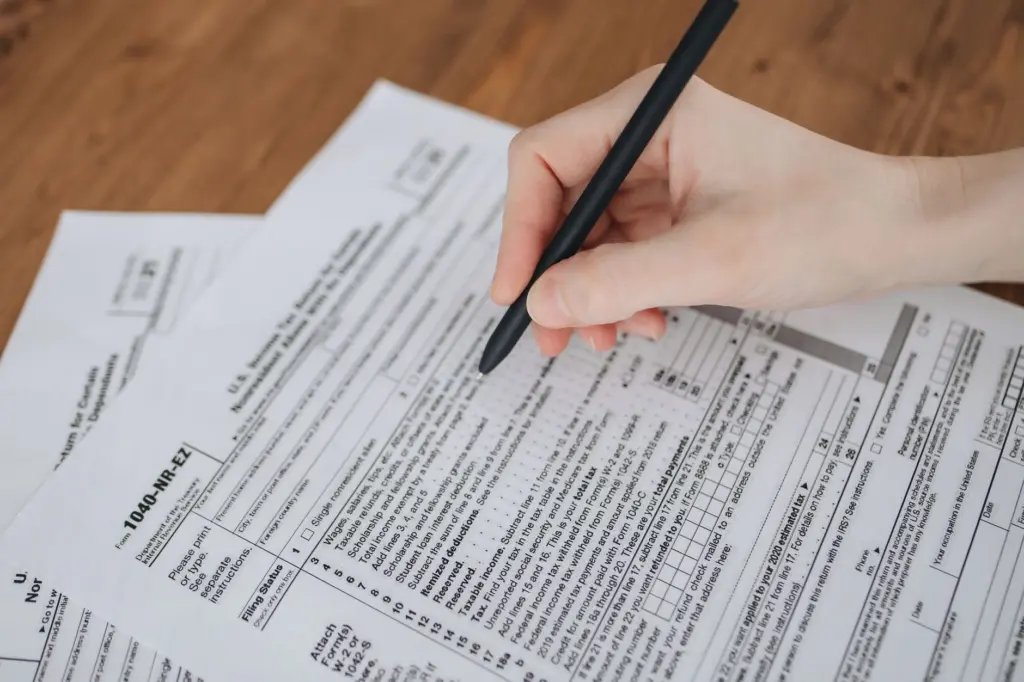
Apply for federal tax exemption
Federal tax exemption is a separate step from state incorporation and from state charity registration. Finishing one does not complete the others, so track each on its own line of your checklist.
Your federal application describes your activities, so the purpose statement you wrote at the start does real work here. Describe what you will do and who will benefit, and make sure the answers match your bylaws. Mismatched descriptions are easy to avoid and harder to explain afterwards.
Pull the current application and instructions from the IRS’s exempt organizations pages rather than from a summary, and read the instructions through before you begin.
Register for charitable solicitation
If you plan to ask the public for donations, treat state charitable registration as part of launch, not an afterthought. The Bureau of Corporations and Charitable Organizations administers the state’s charitable solicitation law, so its program page is where you confirm what your fundraising plans require.
Do this before your first appeal goes out. Check the Bureau’s page for the accepted filing method and for renewal timing before you plan a mailing or set your organization’s calendar.
Confirm your fundraising plans
Match the registration question to what you will actually do. Write out your planned fundraising methods, including appeals, events and any online requests for donations, and bring that list to the Bureau’s page. The Bureau’s guidance is the reference for whether those methods trigger registration, so do not rely on a general rule of thumb from another state or from a blog post.
Sales tax and Philadelphia checks
The Lancaster toolkit lists applying for Pennsylvania sales tax-exempt status as its own startup step. Federal exemption does not cover it, so file separately if your organization will make taxable purchases. Keep a written list of the purchases you expect, since that list tells you how urgently to pursue the status.
Because you are operating in Philadelphia, also review the City of Philadelphia’s business resources for any local registrations tied to your location or activities. Which ones apply depends on what you do, so match them to your actual plan rather than to a generic checklist.
Common mistakes
- Assuming one approval covers the rest. Incorporation, federal tax exemption, charity registration and sales tax exemption are separate steps with separate filings. Give each its own checkpoint.
- Wording the purpose differently in each document. Small differences between the bylaws and the federal description make the record harder to reconcile. Keep one wording and copy it where it is needed.
- Trusting a secondhand fee or deadline. Lists and articles go stale. Confirm amounts and dates on the agency’s own page on the day you file.
- Starting appeals before the registration question is settled. Public fundraising ahead of the state step puts the organization ahead of its paperwork.
When to pause
Stopping at a checkpoint is the right move when a step is not ready. These are practical conditions for pausing, not legal thresholds.
- No settled board. If you cannot yet name the people who will sit on the board, hold off on filing. The toolkit places board selection first, and later documents depend on it.
- Bylaws that disagree with the purpose. If the bylaws and purpose statement describe different missions, fix the wording before any filing that describes the organization.
- Unclear fundraising plans. If you cannot say whether you will solicit the public, do not start appeals until you have checked the Bureau’s program page.
- Unmapped purchases. Without a list of expected taxable purchases, you cannot judge how soon to pursue Pennsylvania sales tax exemption. Build the list first.
Checkpoints at a glance
| Step | Who handles it | Checkpoint before moving on |
|---|---|---|
| Board and bylaws | Your founding group | Board identified and bylaws drafted |
| State incorporation | Pennsylvania Department of State | Entity formed and records filed in one folder |
| Federal tax exemption | IRS | Application matches bylaws and purpose |
| Charitable solicitation registration | Bureau of Corporations and Charitable Organizations | Registered before fundraising starts |
| Sales tax exemption | Pennsylvania | Separate application completed |
The step order draws on the Lancaster Public Library toolkit, and the solicitation role comes from the Pennsylvania charities program page.
Frequently asked questions
Can I email my charity registration to the state?
No. The Bureau is still accepting registrations sent by USPS regular mail, and emailed filings are not permitted.
When does a charity registration renewal come due?
Renewal dates follow the organization’s fiscal year end. Choosing that fiscal year deliberately therefore also sets when renewals fall due.
Is charitable registration the same step as incorporation?
No. Incorporation runs through the Pennsylvania Department of State, while charitable solicitation law is administered by the Bureau of Corporations and Charitable Organizations, so each step needs its own filing.