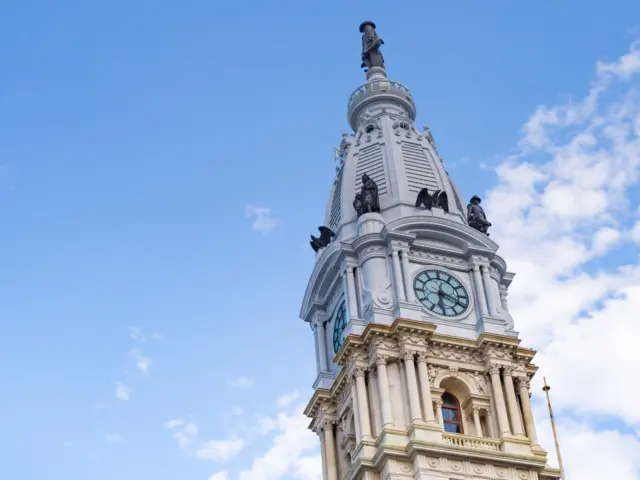
A graduate sees a youth-services posting and wonders whether the Philadelphia Office of Children and Families is the same as DHS. It is not: OCF engages community partners, including for Community Schools case management, while DHS runs child welfare and juvenile justice.
The two sit inside the same city government, which is why they get confused. Readers who want the wider picture can start with the guide on how is philadelphia city government organized, then return here for the children and youth portion.
Misconception: the Office of Children and Families and DHS are one agency
The Office of Children and Families (OCF) and the Department of Human Services (DHS) appear in the public record doing different jobs. DHS publishes a leadership directory that lists Kimberly Ali as Commissioner, with (215) 683-6000 shown beside her name. Beneath the commissioner it names deputy commissioners for Child Welfare Operations, Juvenile Justice Services, and Policy Development and System Enhancement, plus a Chief Financial Officer.
OCF shows up differently. A published request for proposals describes it as an office within the City of Philadelphia that is seeking to engage community-based organizations for case management at Community Schools. In that record OCF is a body that brings in outside partners, not a department with its own casework divisions.
The practical rule: take questions about child welfare operations or juvenile justice to DHS, and watch OCF for school-based partnership opportunities. Mixing them up wastes time, especially for job seekers who search one agency’s name and miss the other’s postings.
| Body | What the public record shows | Planning use |
|---|---|---|
| Office of Children and Families | City office seeking community-based organizations for case management at Community Schools | Follow its solicitations if your organization offers student and family support |
| Department of Human Services | Commissioner, deputy commissioners for child welfare operations, juvenile justice services and policy, and a chief financial officer | Use the leadership page to find the right division for a child welfare or juvenile justice question |
| Community Schools | Nine schools covered by the case management request, with a stated goal of supporting attendance | Treat them as the sites where partner organizations deliver services |
| Community-based organizations | Engaged by OCF to provide case management for students and families | Look to these employers for casework roles tied to schools |
The leadership details come from the City of Philadelphia DHS leadership page, and the OCF and Community Schools details from the case management request for proposals.
Other common mix-ups
- City DHS versus state DHS. The statewide SWAN network directory lists OCYF/DHS administrative offices in Harrisburg, reachable at 717-787-4756. That is a state-level office, separate from the city department led by the commissioner above. Check which level a phone number or posting belongs to before you call or apply.
- A directory listing is not a contract. Appearing in a network directory shows that an organization works in the child and family field. It does not show a city contract. Contract status belongs in published solicitations and awards.
- Case management is not the whole of child welfare. The school-based case management in the OCF request is aimed at attendance and family support at specific schools. DHS child welfare operations are a separate line of work under their own deputy commissioner.
- OCF is not a school operator. Community Schools are where partners deliver services. The request describes OCF engaging organizations to work at them, not running the classrooms.
What DHS child welfare covers
DHS organizes child welfare under a named deputy commissioner, Robin E. Chapolini, whose title on the leadership page is Deputy Commissioner, Child Welfare Operations. Alongside that sit Gary D. Williams for Juvenile Justice Services and Samuel B. Harrison, III for Policy Development and System Enhancement. Nadine E. Perese is listed as Chief Financial Officer.

That structure tells a reader where the work is divided: day-to-day child welfare operations, juvenile justice, and policy and system improvement are separate responsibilities. A graduate interested in direct casework should look at the operations side, while someone drawn to analysis and reform will find the policy side more relevant.
Public documents also frame the field around outcomes. The OCF request describes Improving Outcomes for Children (IOC) as a transformational effort to improve the safety, permanency and well-being of children, according to the posting. Those three terms are a useful vocabulary when reading city job descriptions or provider proposals.
How Community Schools case management works
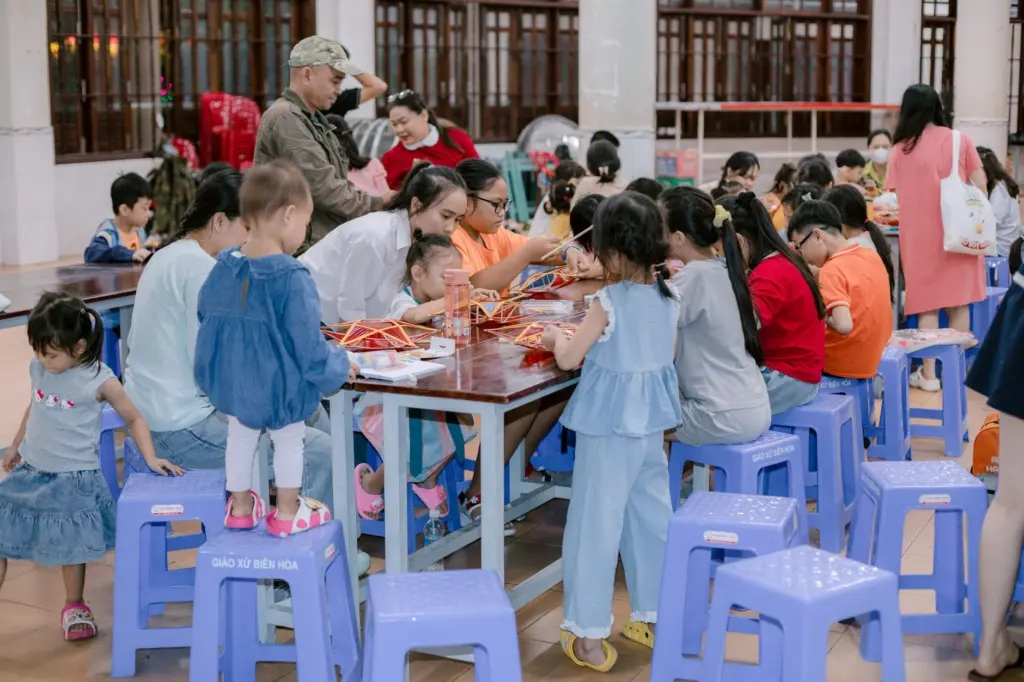
The Community Schools model, as described in the city’s request, pairs a school with an outside organization that provides case management. The request covers case management that will support students and families at nine Community Schools, and it states the goal of the service as supporting attendance, according to the published posting.
Two details matter for planning. First, the focus is both students and families, so the work extends beyond the classroom. Second, attendance is the named goal, which gives providers and applicants a concrete outcome to speak to in a proposal or interview.
The model suits community-based organizations with existing casework capacity and school relationships. It suits a graduate who wants structured, outcome-linked support work more than policy or legal roles. Anyone preparing a proposal should read the full request for requirements, because this summary only captures the scope and goal.
Where nonprofits sit in the structure
Nonprofits take the delivery role in this arrangement. OCF engages them, and they staff the case management at the schools. The wider picture of contracting and partnership is covered in the guide on how does Philadelphia city government work with nonprofits.
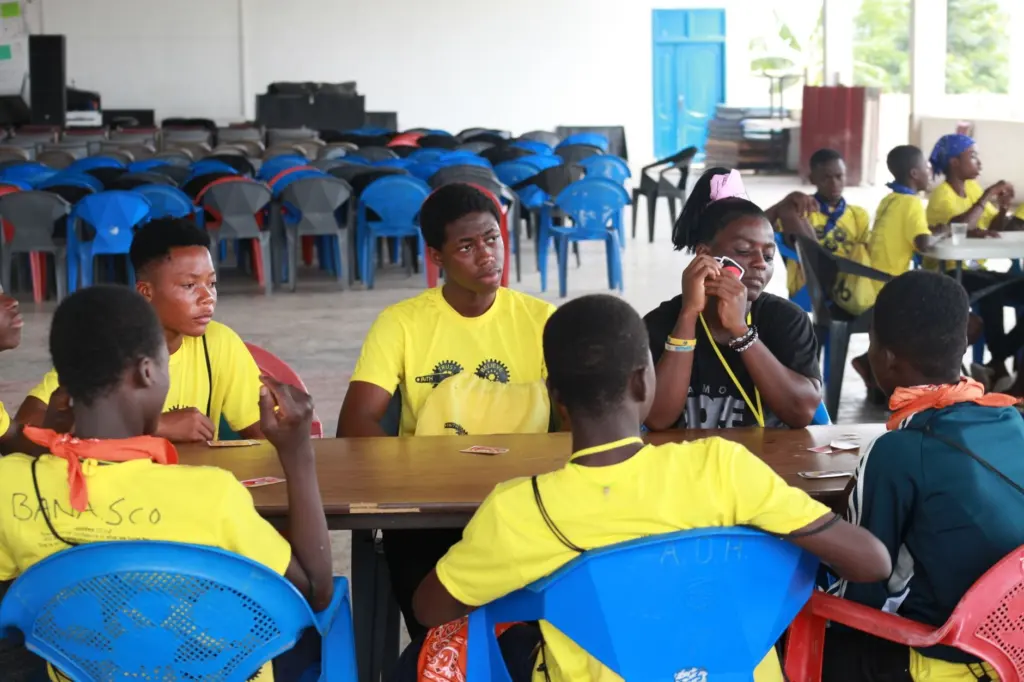
For orientation, the statewide SWAN network directory lists two Philadelphia child-focused nonprofits:
- Support Center for Child Advocates. Listed at 1900 Cherry Street, Philadelphia, PA 19103, phone 215-925-1913.
- Juvenile Law Center. Listed at 1315 Walnut Street, 4th Floor, Philadelphia, PA 19107, phone 215-625-0551.
Treat these as examples of the advocacy and legal side of the field, not as a roster of city contractors. A directory shows who works in the area. Awards and contracts are what show who is paid by the city, so check the city’s published solicitations and contract listings when you need that answer.
Where graduates and fellows fit
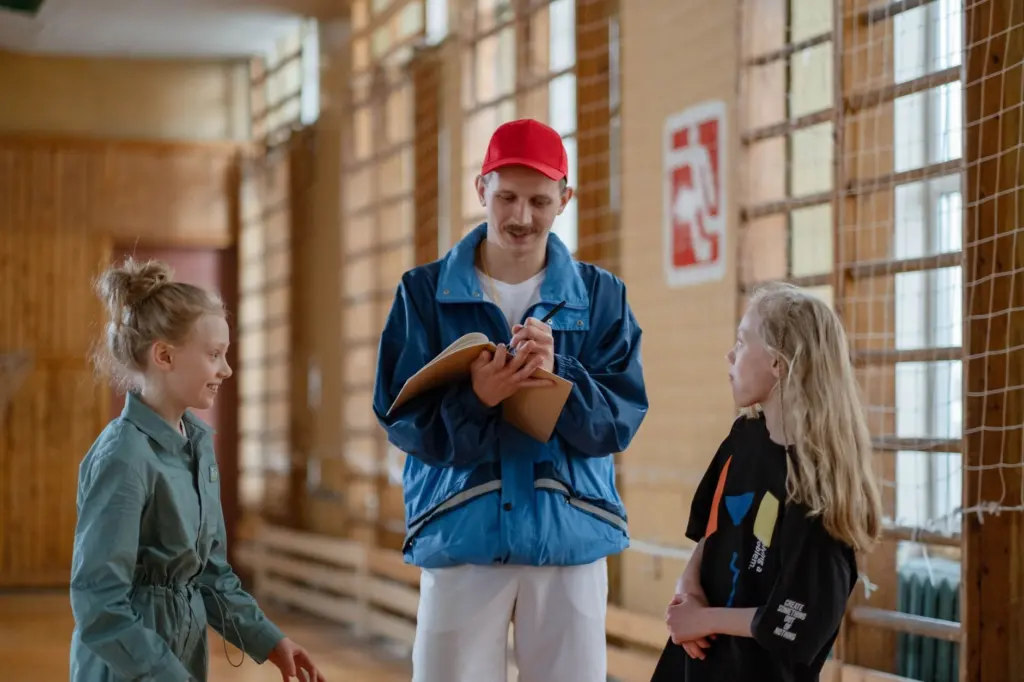
The public record points to three entry routes. The first is casework at a community-based organization engaged for school-based case management. Because OCF engages outside organizations for that work, such positions would normally be with the engaged organization, so each provider’s own postings are the place to look.
The second is the advocacy and legal side, represented by organizations like those in the directory above. Their own websites are the right place to check for current openings.
The third is city employment under DHS, where the leadership page shows operations, juvenile justice, policy and finance functions. Policy and system enhancement is the natural fit for analytically minded graduates, and finance for those with budgeting backgrounds.
Pick the route by the kind of day you want: direct family contact at a school, advocacy for individual children, or system-level work inside a city department. Choosing one first makes the search for postings much narrower.
Finding budget and program figures
DHS lists Nadine E. Perese as its Chief Financial Officer on the leadership page, which marks the finance function responsible for the department’s budget. Spending and program figures for children and family services belong in the city’s budget documents and data releases.
For datasets and dashboards, the guide to the Philadelphia open data portal explains where city information is gathered. Quote any dollar figure only with the year and document it came from, since budget lines change from one fiscal year to the next.
Frequently asked questions
| Question | Answer |
|---|---|
| What child welfare services does Philadelphia DHS provide? | DHS has a Deputy Commissioner for Child Welfare Operations and separate deputies for juvenile justice and policy, per its leadership page. Public documents describe the goal as child safety, permanency and well-being. |
| How does the community schools initiative work? | OCF seeks community-based organizations to provide case management for students and families at nine Community Schools, with attendance as the stated goal, per the published request. |
| Which nonprofits partner with the city on youth services? | Community-based organizations engaged by OCF for school case management are the clearest example. Child-focused nonprofits such as Support Center for Child Advocates and Juvenile Law Center appear in a statewide directory, which does not itself confirm city contracts. |
| Who leads the Department of Human Services? | Kimberly Ali is listed as Commissioner on the city’s DHS leadership page. |