
Shortlisting nonprofit internships Philadelphia students can realistically land starts with pay status, cause area and timing, because postings differ on all three.
Quick answer: PANO offers advocacy and communications internships that are unpaid at the time of its page. Penn’s Nonprofit Connect runs year-long student team projects with local nonprofits. Job boards such as Campus Philly list further nonprofit openings. Confirm pay and hours before you apply to any of them.
For the wider picture beyond internships, see nonprofit jobs in philadelphia, which covers the range of nonprofit work in the city. The options below are sorted by cause area and by what is known about pay, so you can compare them quickly.
How to shortlist an internship
A good shortlist sorts options by the questions that decide whether you can accept an offer at all. Pay comes first, then fit with your interests, then your academic level and calendar.
- Pay status: Some employers state it plainly, as PANO does when it describes its internships as unpaid. Other listings leave pay and hours out entirely, so treat a missing figure as a question to ask, not a good sign.
- Cause area: Advocacy, human services, public policy and communications all appear in the examples below. Pick the area where you would still want to work on a slow week.
- Student level: Some organizations prefer advanced undergraduates. Others, such as university-run programs, are limited to their own students.
- Format: A placement inside one organization teaches you that organization’s routines. A student team project gives you a defined deliverable and a project manager who is also a student.
- Calendar: Fall, spring and summer openings are recruited differently, and the timing section below explains what the available evidence shows.
Social justice and advocacy: PANO internships
PANO is the clearest social justice and advocacy example in this list, and its internships are unpaid at the time of its page. On its internship page, PANO says “At the moment, PANO internships are unpaid,” and it asks for “passion for community and social change” from applicants.
That stated passion requirement makes PANO a better match for students who already follow policy, advocacy or community issues than for someone who just wants any nonprofit line on a resume. The page lists accepted majors that include Advocacy, Human Services, Social Work and Public Policy, so the field is broader than a single department.
Who it suits (Social justice and advocacy)
PANO suits students who can take an unpaid placement and who want exposure to advocacy and learning work. If you depend on a paycheck, an unpaid internship is a real constraint and not a technicality. Budget for it honestly, and check what your college requires of a placement, because PANO asks applicants to include their college requirements.
Where to look for more social justice roles
Other social justice internships in Philadelphia are easiest to find through the boards covered later in this guide. Search them with cause keywords such as advocacy, policy or community organizing, then check each posting for pay and hours before you invest time in an application.
Communications and marketing internships
Communications is the most concrete task area in PANO’s description. Its page says interns assist with communications and marketing efforts such as social media, alongside advocacy and learning efforts.
That makes a communications internship a practical choice for students in journalism, marketing or media majors who want a portfolio rather than only exposure. Social media work produces visible samples that you can discuss in later interviews. The limit is the same as above: PANO’s internships are unpaid, so weigh the portfolio value against the cost of your time.
Whichever organization you target, ask what a typical week looks like and who reviews your drafts. Writing samples carry more weight when a staff member has edited and approved them.

Student-led project teams: Penn’s Nonprofit Connect
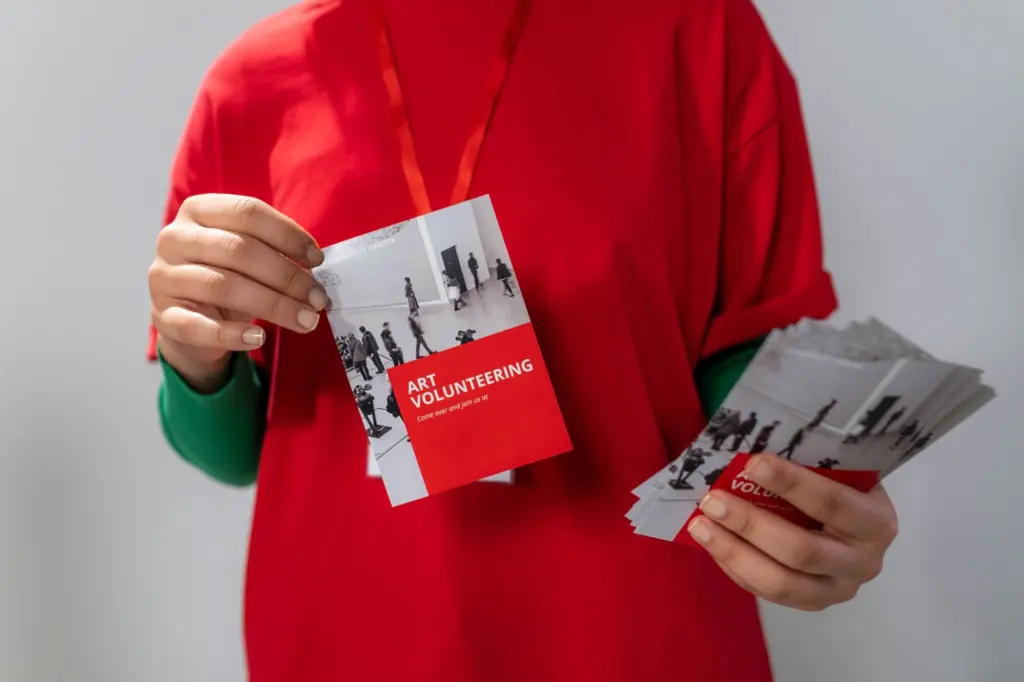
Nonprofit Connect is a student-led program that partners Penn students with greater Philadelphia nonprofits. It runs under the Netter Center in partnership with the Wharton Undergraduate Division, according to the Netter Center’s program page.

Its format differs from a standard internship. Penn student project teams are led by an upperclassman project manager, and the partnerships run through a full academic year, after a pilot in Summer 2020. You work as part of a team on a project for a community organization, not as a lone assistant inside one office.
Who it suits (Student-led project teams)
This route suits Penn students who prefer structured teamwork and a long runway to a quick summer stint. It also suits students who are still deciding on a cause area, since the partner organizations are drawn from across the region.
Limits to weigh
Eligibility is the main limit, because it is a Penn student program. A year-long commitment also needs to fit around coursework, so check the program page for current details on the application and any compensation before assuming it replaces a paid summer position.

Job boards for wider nonprofit searches
Job boards cover the many nonprofits that have no dedicated internship page, and they are the practical answer to which Philadelphia nonprofits offer internships for college students. Use them alongside direct outreach.
Campus Philly
Campus Philly’s jobs and internships page is aimed at college students and recent graduates looking for a full-time job or an internship in or around the Philadelphia region, and it includes nonprofit openings. A sample listing there, the Hanwha Philly Shipyard Summer 2027 Internship Program, shows pay and hours as not stated. The board mixes employer types, and a listing preview may leave out pay and hours, so open each posting and ask when details are missing.
Philanthropy Network jobs
The Philanthropy Network jobs page carries postings from regional organizations, and some show firm dates. One example is a Bread & Roses Community Fund communications role with a deadline of August 28, 2026. It is a job posting, not an internship, but it shows that nonprofit employers publish fixed deadlines and that you should read the closing date before planning your application.
Comparing the options side by side
The table puts the two documented programs next to each other so you can see how pay, level and format differ.
| Option | Cause area | Pay status | Format and level | Planning use |
|---|---|---|---|---|
| PANO internship | Advocacy, communications and marketing, learning efforts | Unpaid at the time of its page | Internship inside one organization; senior undergraduate college student and higher preferred | Best for advanced students who can take unpaid work and want advocacy or social media samples |
| Nonprofit Connect | Varies by greater Philadelphia nonprofit partner | Confirm with the program | Penn student project teams led by an upperclassman project manager; year-long partnerships | Best for Penn students who want team project experience across an academic year |
The figures come from PANO’s internship page and the Netter Center’s Nonprofit Connect page.
Paid or unpaid: what to check
Nonprofit internships in Philadelphia are not uniformly paid. PANO states plainly that its internships are unpaid, and listings on boards such as Campus Philly can leave pay out altogether.
Treat pay as a screening question for every option. If a posting is silent, email the contact and ask whether the position is paid, what the weekly hours are and what the intern will produce. Ask for the answer in writing so you can compare offers fairly.
Your college’s career center can also help you weigh an unpaid placement against your school’s requirements, which is why PANO asks applicants to include them. When a paid, full-time route is the real goal, read about entry level nonprofit jobs philadelphia before graduation. Students who want a longer commitment than a single semester can compare service year programs philadelphia as another route into the sector.
When to apply for fall, spring and summer
No single calendar governs Philadelphia nonprofit internships, so apply on each organization’s own timetable and start early. The examples in this guide show three patterns.
- Rolling, by inquiry: As of March 2026, PANO reported one internship opening for the fall of that year and invited students to get in touch about fall and 2027 openings. For small organizations like this, contact them well before the semester starts.
- Academic-year cycle: Nonprofit Connect partnerships run through a full academic year, so plan around the start of the school year and check the program page for its application window.
- Board postings: Campus Philly lists programs by season, with a Summer 2027 program among its sample listings, and nonprofit postings on other boards can carry dated deadlines, such as August 28, 2026 for the Bread & Roses role.
For spring, the safest approach is direct contact: write to organizations whose work interests you and ask when they recruit. PANO’s handling of fall and 2027 openings by inquiry suggests that smaller nonprofits may fill roles by conversation rather than on a fixed public calendar.
A decision checklist
- Decide whether you can accept an unpaid placement this term, and if not, filter out any listing that does not state pay.
- Pick one cause area, such as advocacy, human services or communications, and search for it on Campus Philly and Philanthropy Network.
- Check the level requirement, remembering that PANO prefers senior undergraduates and higher and that Nonprofit Connect is for Penn students.
- Ask each employer about hours, pay and the work you would actually do.
- Prepare a cover letter, resume and short statement of learning goals, then adapt them for each application.
- Write down each closing date or opening window and contact organizations early for the next term.
Frequently asked questions
What should a PANO application include?
PANO asks you to send your cover letter, resume, learning and professional goals and any college requirements to its Executive Director.
Can earlier-year students apply to PANO?
PANO lists its preferred level as senior undergraduate college student and higher. Earlier-year students should ask before applying, or consider a project program such as Nonprofit Connect if they attend Penn.
Is Nonprofit Connect only a summer program?
No. It was first piloted in Summer 2020 and now runs year-long partnerships between Penn student teams and greater Philadelphia nonprofits.
Can recent graduates use Campus Philly?
Yes. Campus Philly’s jobs and internships page is aimed at college students and recent graduates seeking work in or around the Philadelphia region.